How Much Do Small Business Website Design Packages Cost?
The short answer? Small business website design packages usually cost anywhere from a few thousand dollars to well into five figures, depending on what’s included and how custom the work needs to be. If you’re also trying to figure out the cost of hiring a digital marketing agency, the real question is not “What’s the cheapest option?” It’s “What kind of site will actually bring in calls, bookings, or walk-ins?”
At BOOST, we talk to clinic owners, restaurant operators, law firms, and local shop owners who all want the same thing: a site that looks professional and helps the business grow. Let’s break down the numbers in plain English.
How much do small business website design packages usually cost?
The cost of small business website design packages depends on whether you need a simple brochure site, a lead-focused custom site, or a larger build with extra features. A small local business website can be relatively modest in scope, while a custom build with copywriting, SEO, forms, booking tools, and integrations costs more because it takes more time and planning.
Here’s a practical way to think about it:
- Starter package: best for a new business that needs a clean, credible online presence fast.
- Growth package: best for a business that wants more leads, stronger local search visibility, and better conversion.
- Custom package: best for businesses with special functionality, multiple service pages, or more complex content needs.
A restaurant may need online menus, reservations, and strong location pages. A law firm may need service pages, intake forms, and trust-building content. A clinic may need appointment booking, accessibility, and clear service explanations. Same website category. Very different build.
What does the cost of hiring a digital marketing agency include?
The cost of hiring a digital marketing agency usually covers more than design alone. A good agency should plan the structure, design the pages, write or refine the copy, set up the technical basics, and make sure the site is ready to perform in search and on mobile.
When you’re comparing quotes, ask what’s actually included. Two proposals can both say “website design,” but one may only cover a visual mockup while the other includes strategy, development, search optimization, analytics setup, and training.
- Discovery and planning: understanding your goals, audience, and services.
- Design: the look, layout, and user experience.
- Development: building the site so it works properly on phones and desktops.
- Content support: page copy, headings, calls to action, and image guidance.
- Basic search engine optimization: titles, meta descriptions, page structure, and local search signals.
- Launch support: testing forms, links, speed, and tracking.
That’s the part many owners miss. A cheap site can end up expensive if you have to fix it six months later.
What pushes the price up or down?
Website pricing moves based on scope. A five-page site for a hair salon is not the same job as a 20-page site for a multi-location clinic. More pages, more revisions, more custom work. You get the idea.
| Cost driver | Why it changes the price |
|---|---|
| Number of pages | More pages mean more design, writing, and setup time. |
| Custom design | Custom layouts cost more than a basic template with minor edits. |
| Copywriting | Professionally written copy adds time, but it can also improve leads. |
| SEO work | Local keyword research and page optimization take extra effort. |
| Special features | Booking tools, chatbots, ecommerce, and integrations increase complexity. |
| Speed and timeline | Rush projects often cost more because the team has to move faster. |
If you run a local shop and just need a polished site with contact info, hours, and a few service pages, your cost should be lower than a business that needs custom forms, review integration, or chatbot support. Fair enough.
What should be in a package for a local business?
A strong package should help a customer take action, not just admire the design. For most local businesses, the basics are simple: clear service pages, strong contact options, mobile-friendly design, and enough trust signals to make people feel comfortable reaching out.
Here’s what we’d consider a solid foundation:
- Home page that explains what you do fast.
- Service pages written for real customers.
- Contact page with phone, email, map, and form.
- About page that feels human, not stiff.
- Mobile-first design that works on a small screen.
- Basic analytics so you can see what’s happening.
For a dentist, that might mean clear treatment pages and appointment requests. For a bakery, it might mean ordering details and location info. For a small law firm, it might mean practice-area pages and credibility without the jargon overload.
If your website doesn’t answer the three big questions quickly — what you do, who it’s for, and how to contact you — people leave. That’s where a good agency earns its keep.
Is a cheaper package ever the better choice?
Yes, sometimes. A lower-cost package can be the right move if you’re opening soon, testing a new service, or replacing an outdated site that’s hurting credibility. Not every business needs a custom build on day one.
But cheap only works when the package still covers the essentials. If the quote leaves out mobile design, copy support, search basics, and launch testing, you may save money upfront and pay for the gaps later.
A useful rule: if your website is mainly there to establish trust and collect basic enquiries, a simpler package may be enough. If you rely on the site to generate steady leads, bookings, or sales, spend more where it counts.
How do you compare agency quotes without getting lost?
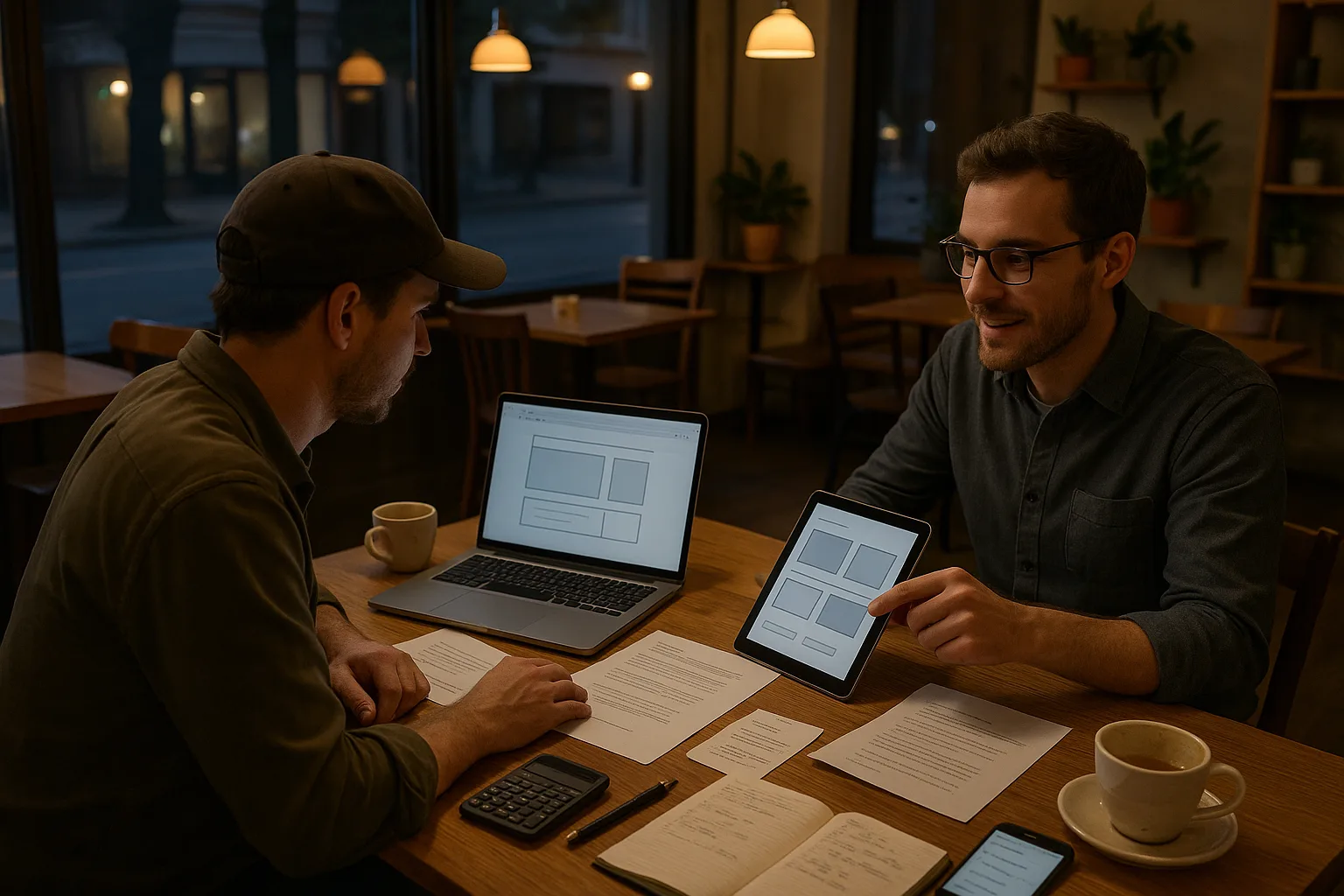
The easiest way to compare quotes is to line them up by deliverables, not by price alone. Two agencies can both quote $5,000, but one may include strategy, SEO, and support while the other only covers design and development.
Ask each agency to explain these points in plain language:
- How many pages are included?
- Is copywriting included or not?
- What SEO work is part of the package?
- Will the site be mobile-friendly and fast?
- Who handles content uploads and revisions?
- What happens after launch?
You can also ask for examples of similar work. A local agency that has built sites for restaurants, clinics, or service businesses will usually understand what matters on a practical level. For context on agency standards and professional service expectations, the American Marketing Association is a useful reference point.
How does BOOST approach small business website packages?
BOOST keeps the process practical. We build sites for small and medium local businesses in Vancouver and beyond, and we focus on the parts that tend to matter most: clear messaging, trust, search visibility, and a site that turns visits into real enquiries.
That often means combining website design with SEO optimization, Google and Meta advertising, social media management, or chatbot development when the business needs more than a brochure site. A single service page can be nice. A system that actually brings in leads is better.
We also see a lot of businesses benefit from pairing website work with ongoing content strategy and analytics reporting, so the site doesn’t just launch and sit there. It keeps improving.
What should small business owners ask before signing?
Before you sign anything, ask one blunt question: “What will this website do for my business in six months?” A good agency should be able to answer that without hiding behind fancy wording.
- Will it help customers contact us faster?
- Will it support local search?
- Will it make our services easier to understand?
- Will it still make sense if we grow next year?
If the answer is vague, keep looking. If the answer is clear and tied to your goals, you’re probably on the right track.
Frequently Asked Questions
How much should a small business pay for a website?
A small business should pay based on what the site needs to do, not just how it looks. A basic brochure site costs less than a custom site with copywriting, SEO, forms, and booking tools. The right budget is the one that matches your goals, your timeline, and how much the website matters to revenue.
Why do digital marketing agency prices vary so much?
Agency prices vary because service levels vary. One quote may include strategy, design, development, copy, and launch support, while another may only cover a visual build. Experience, speed, custom features, and ongoing support all change the final price.
Should I choose a template website or a custom one?
A template can be a smart choice if you need something simple, fast, and affordable. A custom website makes more sense when your business needs stronger branding, more content, or better lead generation. The best option depends on how much your site needs to do on day one.
Do I need SEO in my website package?
Yes, at least the basics. A website should be built with search-friendly page structure, clear headings, title tags, and local relevance from the start. You can add more SEO work later, but it’s easier and cheaper when the site is planned properly from day one.
Can BOOST help with more than website design?
Yes. BOOST also works on SEO optimization, social media management, Google and Meta advertising, WhatsApp and Telegram chatbots, content strategy, analytics/reporting, and custom app development. For many small businesses, the best results come from a few services working together instead of one piece in isolation.
If you’re comparing small business website design packages and trying to make sense of the cost of hiring a digital marketing agency, start with the outcome you want. Then choose the package that gets you there without paying for fluff you’ll never use.